
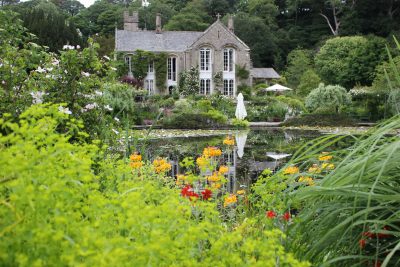
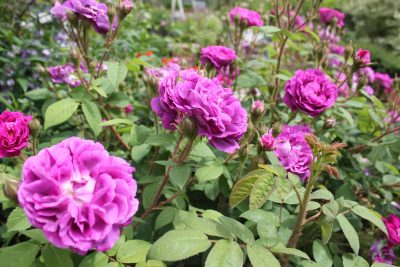
 Visiting gardens provides a fantastic opportunity to see different styles, features and planting combinations that can be a source of great inspiration when considering the development of a garden design. A trip to Gresgarth Hall in Lancashire with colleagues from the Society of Garden Designers was a particular treat, as it is the home of renowned landscape designer Arabella Lennox-Boyd and features an impressive garden she has developed over almost 40 years of residence. Spread over 12 acres it is a beautiful example of the English country garden with a variety of both formal and informal areas.
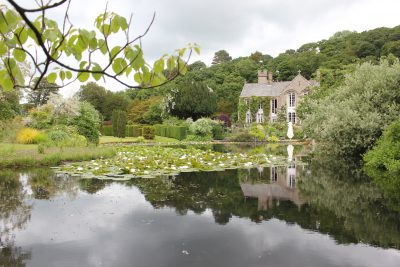
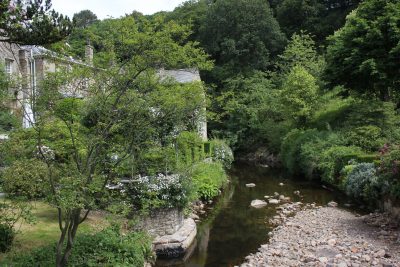 The garden is set within a valley carved through the countryside by Artle Beck, a tributary of the Lune River, and as such water is a ubiquitous feature throughout. While the steep inclines and variable microclimates which come with such a site would present significant challenges to some, here they are utilised to maximum effect. The imposing stone house at the centre of the estate overlooks a magnificent mirror glass lake surrounded by wetland planting such as Candelabra Primula and Flag Iris. Terraces lead from the house to the waterside providing a striking multi-layered structure to the natural slope. Having been tipped off by a gardener about the perfect vantage point to view the garden as a whole we even spied the lady of the house taking lunch on her private patio!
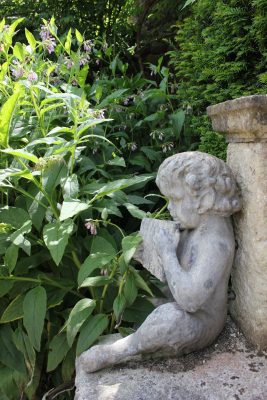
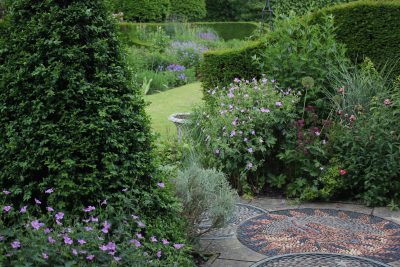 The use of other hard-landscaping features such as bridges and statues give a nod to the English Landscape tradition and lend an air of romance in keeping with the Gothic style of the house. Eye-catching details such as intricately patterned pebble mosaics with Geranium spilling over their edges elevate the humble pathway beyond the merely functional. Indeed, throughout the garden one is treated to unexpected little surprises at every turn.
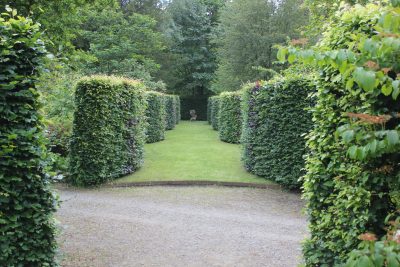
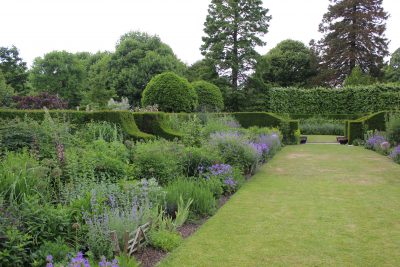 A series of ‘garden rooms’ are created by stretches of Beech hedging ensuring that the otherwise daunting space can be enjoyed on a more human scale. Exploring the garden in groups, we found ourselves bumping into each other from time to time as we turned the corner into another delightful space. At times the hedges provide a neutral backdrop to effervescent planting, as in that mainstay of the English country garden the double herbaceous borders. Elsewhere it is treated as a feature in its own right with careful shaping creating interest and leading the eye towards one of the many sculptures positioned as a focal point.
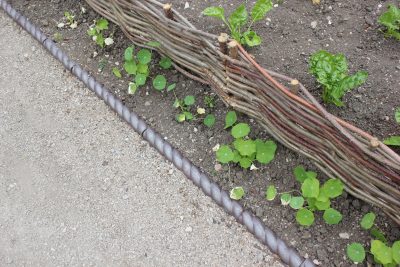
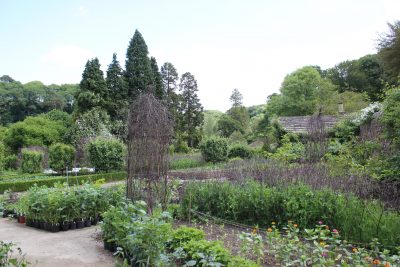
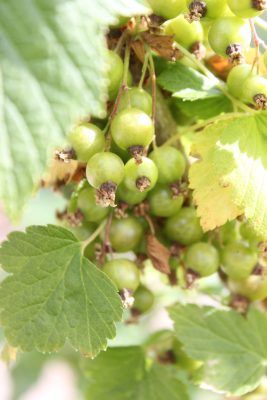 Complementing areas designed purely for decorative beauty there is a kitchen plot situated within the shelter of a walled garden. Though focussed on the production of vegetables it is no less well thought out or carefully designed, again elevating the functional to the attractive.
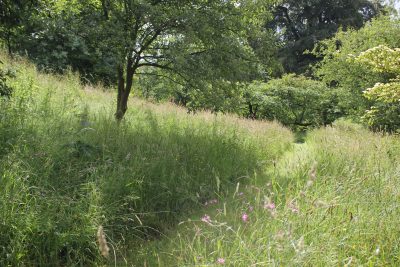
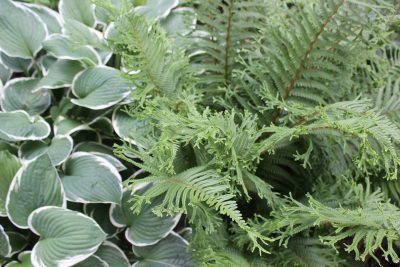 More naturalistic areas feature wildflowers and mown paths linking the formal gardens to the rural landscape beyond. A woodland walk presents the opportunity to showcase shade-loving plants with striking foliage combinations such as Hosta and Fern taking centre stage.
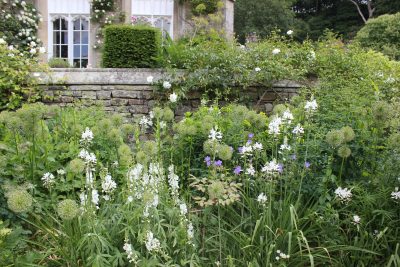
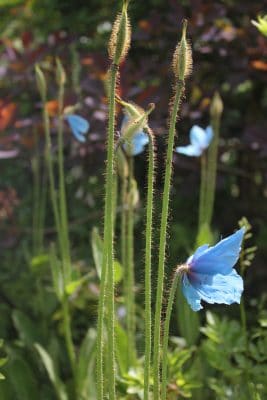
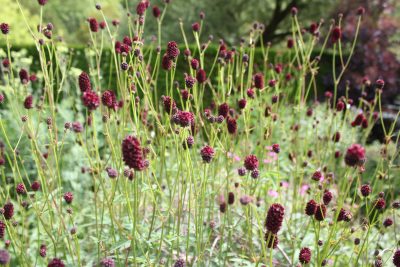
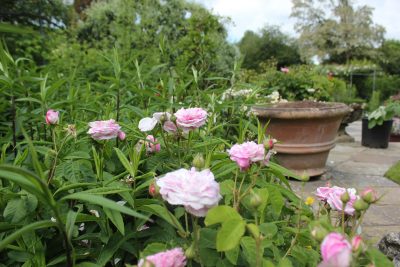
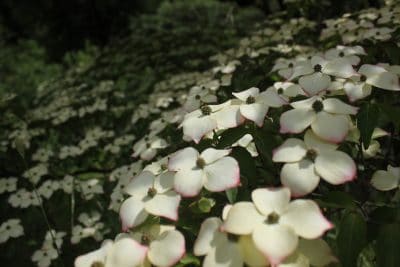 Across the garden can be found unusual plant specimen often helpfully labelled for those wishing to seek them out for their own use! Seed heads are incorporated into planting schemes adding structure and stretching interest beyond the flower’s more short-lived burst of colour. Tying the planting together are numerous varieties of Rose and Clematis which are woven throughout.
 Whilst we can’t all have gardens on the impressive scale of Gresgarth Hall, it is possible to capture elements of its beauty in any outdoor space. If you would like your own slice of the English country garden, why not contact The Cheshire Garden for a consultation?
