
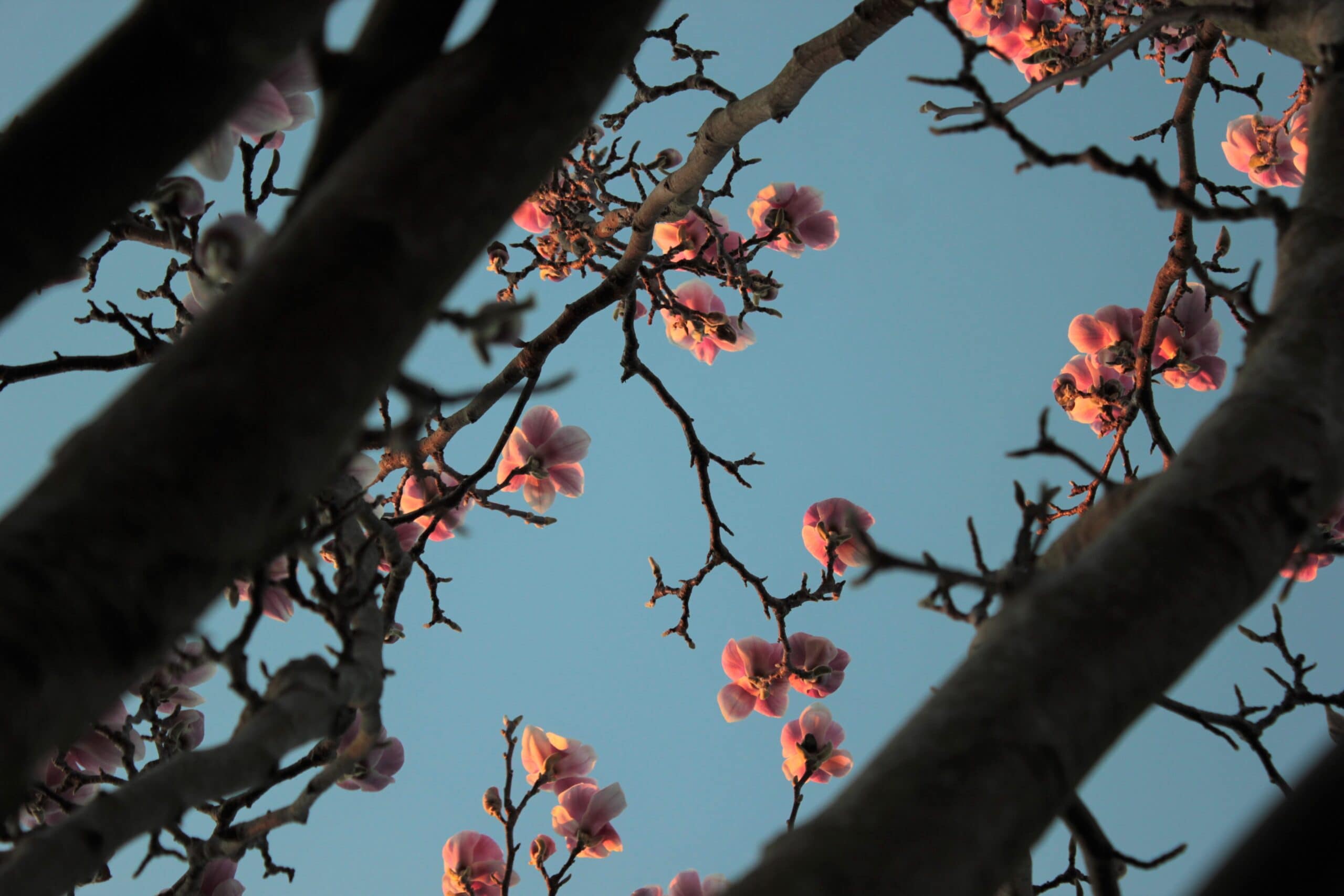
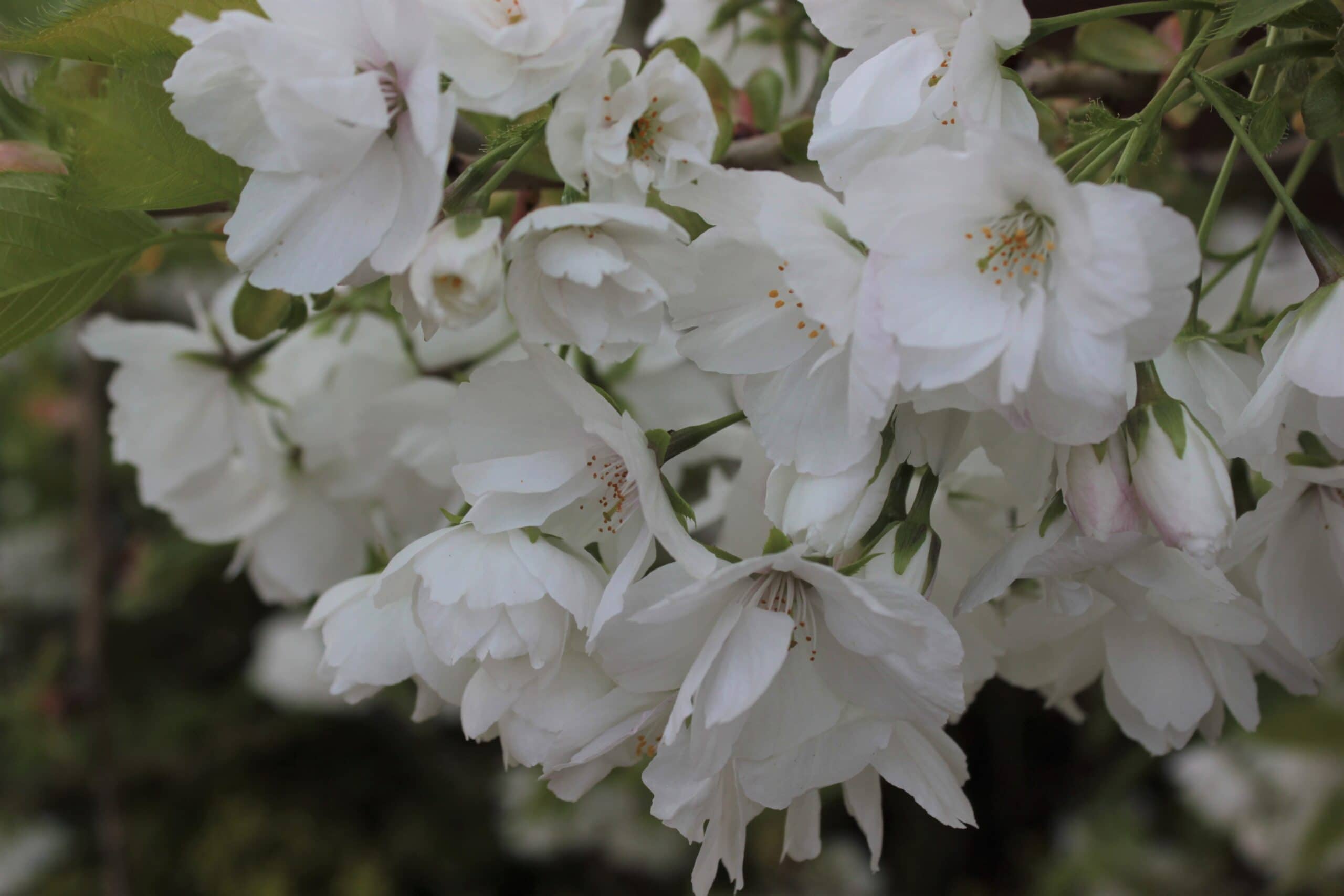
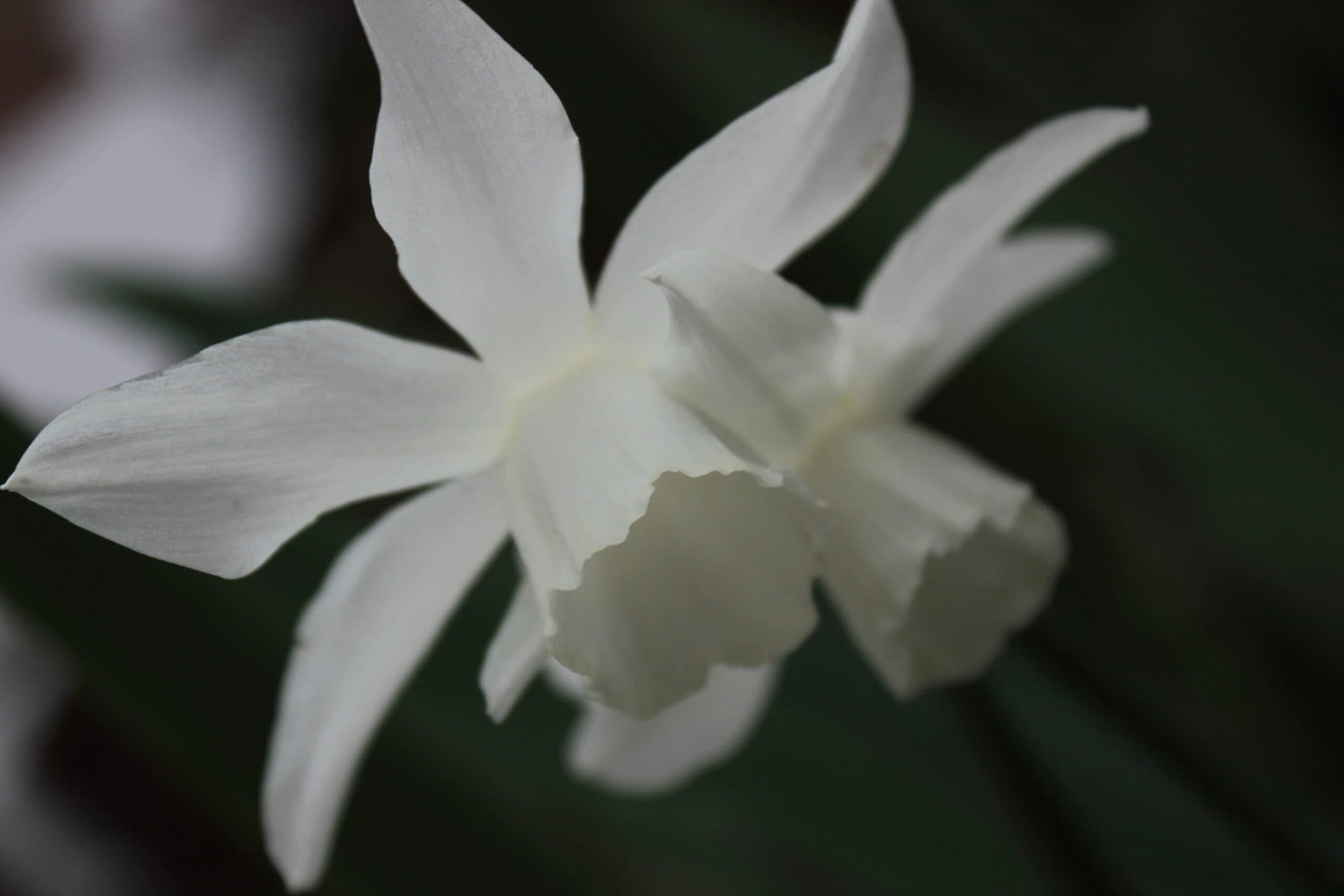
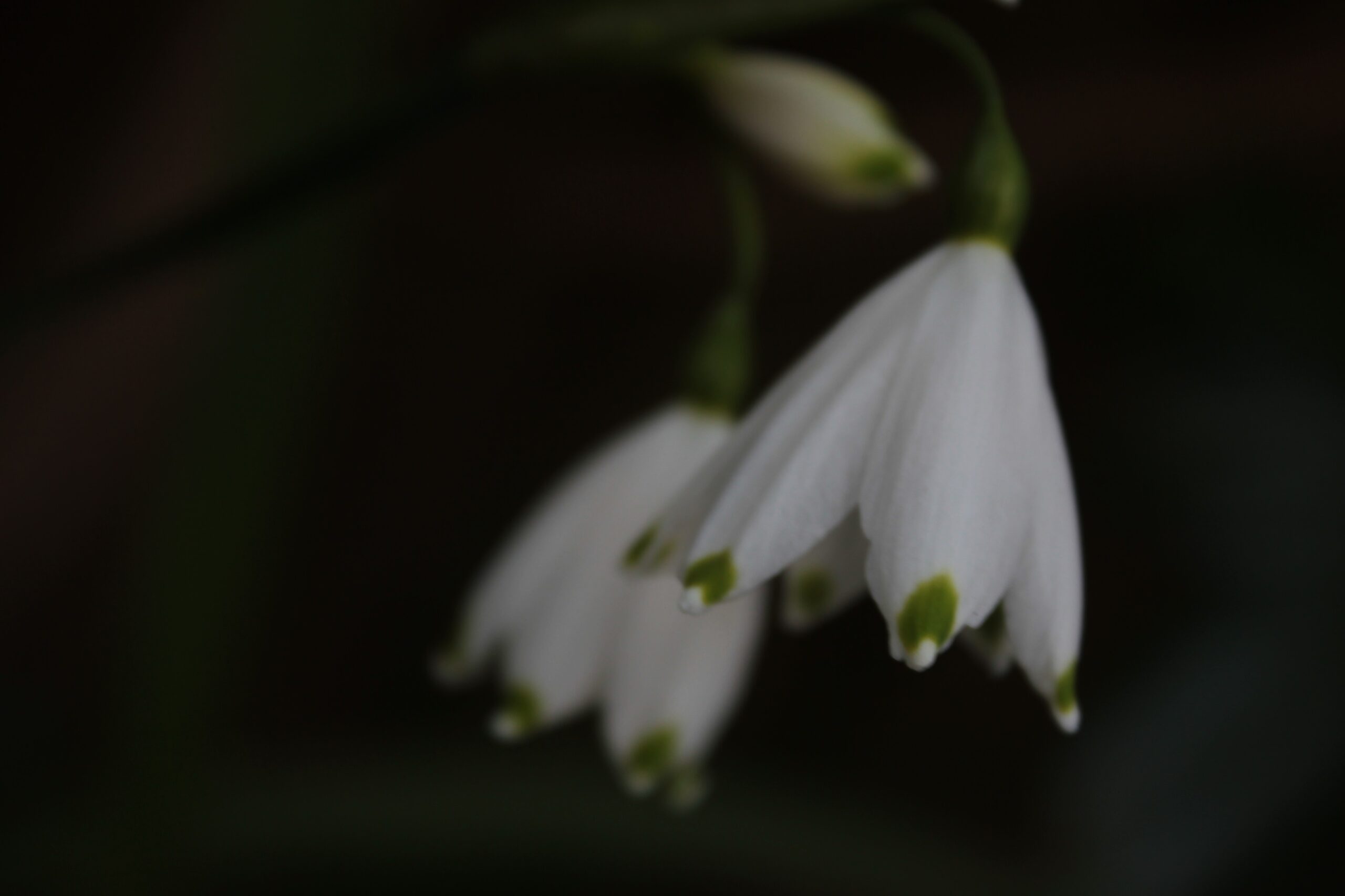
For many of us the arrival of Spring is a reason to rejoice. The emergence of fresh green shoots suggests a time of new beginnings. Colour returns as Spring bulbs begin to flourish: the sunshine yellow of Narcissus, and the cooler tones of Iris reticulata, followed by an array of Tulipa of every possible hue. Above our heads Cherry blossom erupts and Magnolia trees deliver their majestic but fleeting display. All of this against a soundtrack of bird song and the gentle hum of foraging bumble bees.

Although it can feel like a garden is dormant during the Winter months, carefully considered planting can ensure that there is something to enjoy in every season. The key is to understand the characteristics of different plants and combine them together to create successive waves of interest. Planting for Spring colour is one element of this continuous cycle.

When taking on a new project, The Cheshire Garden carefully evaluates the local environmental conditions to make sure that any plants included in a scheme will not only survive but thrive. This process includes understanding the soil conditions, the extent to which the space is in sun or shade, and any prevailing climatic conditions such as winds or extremes of temperature. We also take time to understand whether a client has any cherished plants they wish to retain or wants to start with a clean slate.
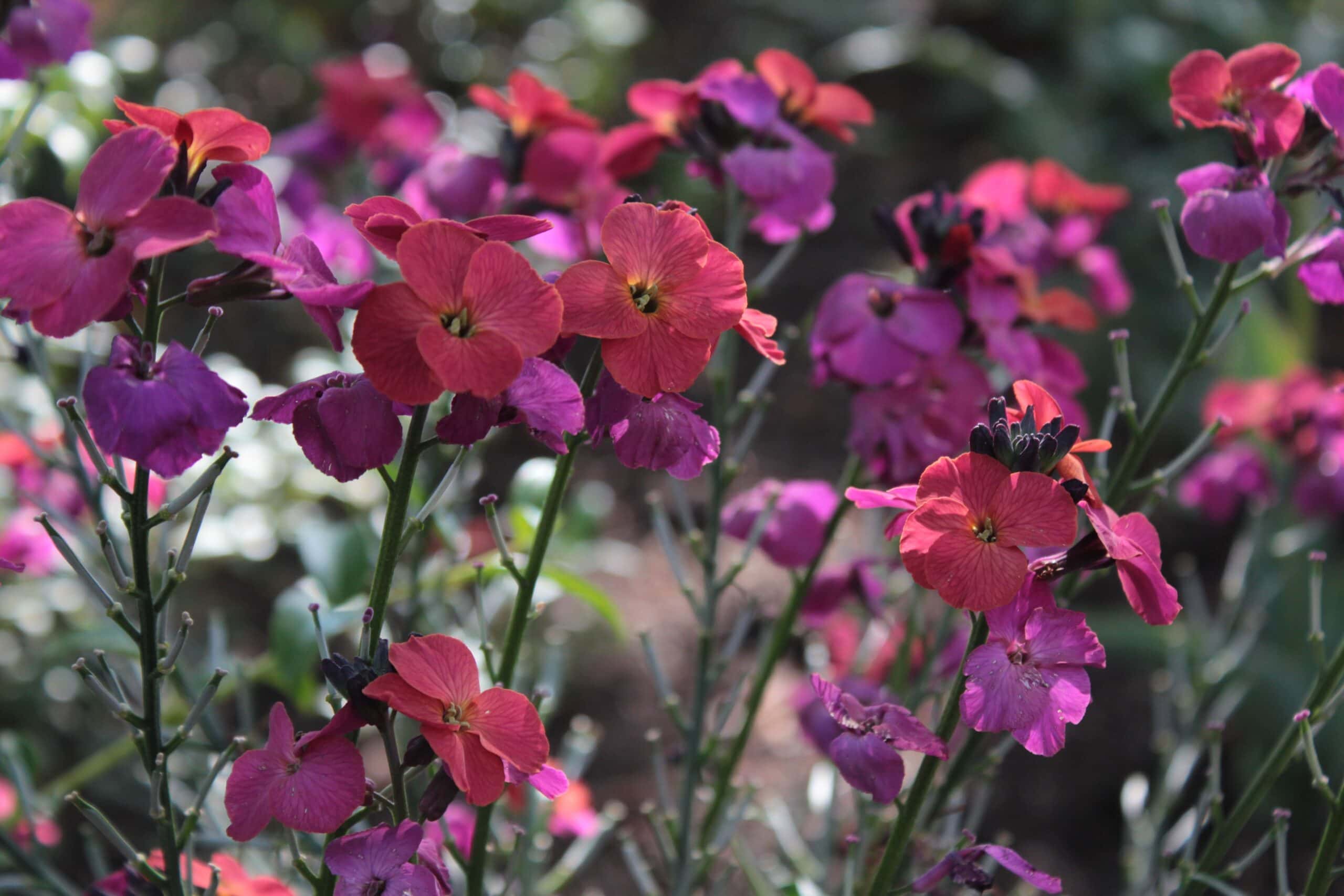
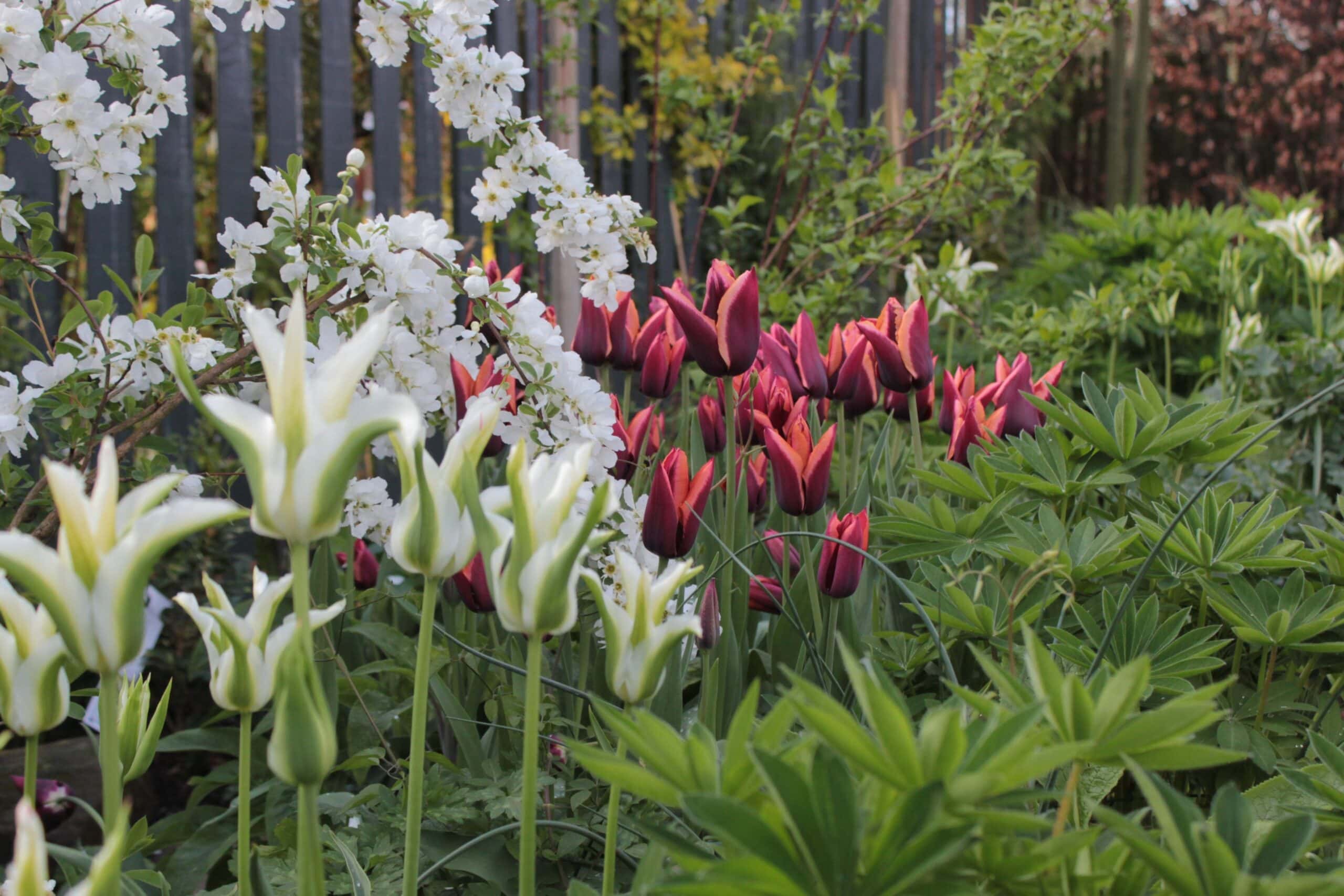
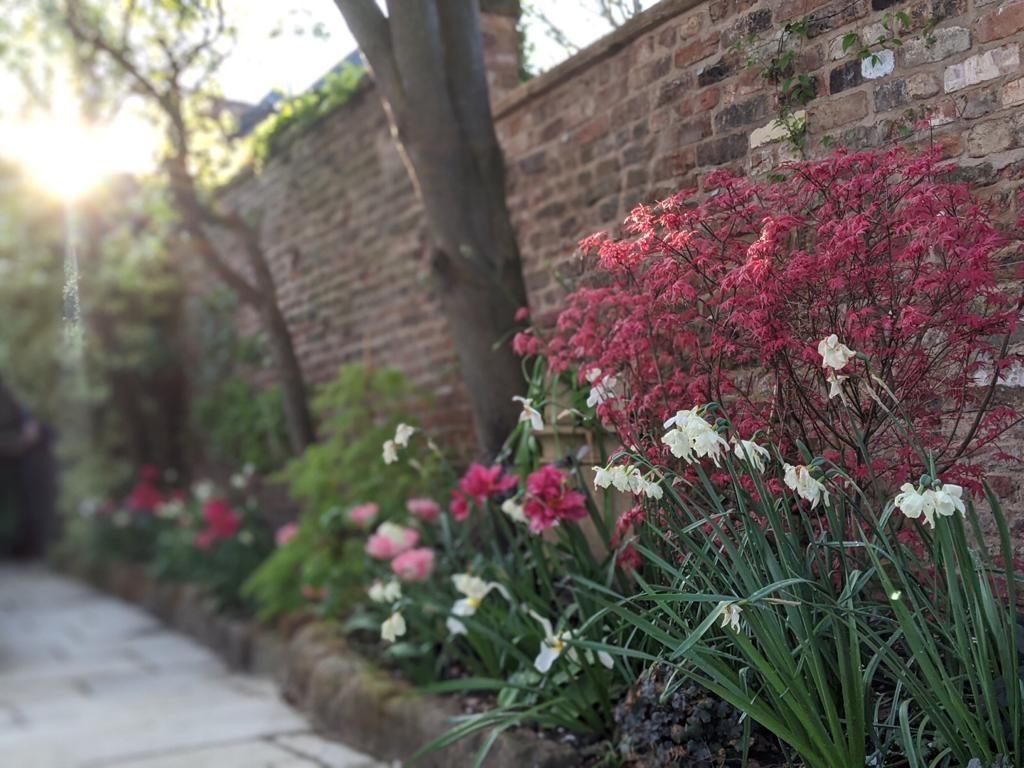
Having established an understanding of the foundations of the space with which we will be working, it is time get on with the fun part – the design! A key element of this is the way in which colour is used. Gaining an understanding of a client’s requirements is extremely important. Are there any favourite colours or strong dislikes? What sort of ambiance is desired for the space? A relaxing and restful atmosphere might be created with cooler colours such as blues and purples, or a very restricted palette of greens and whites. A more energising feel can be achieved with hotter colours such as yellows, oranges, and reds. In a larger garden it can be possible to accommodate a variety of ‘rooms’ or zones with different colour themes and styles.
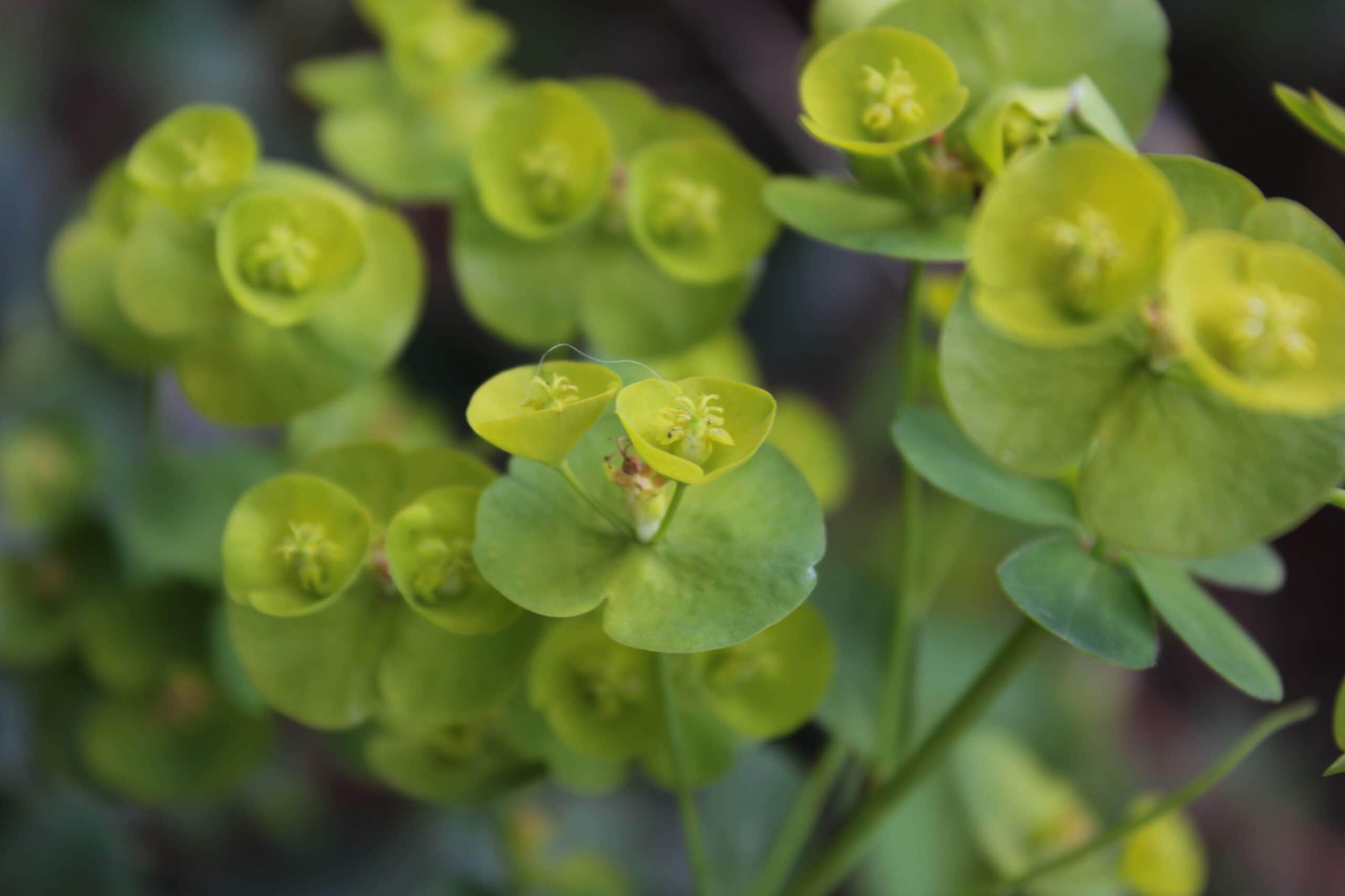

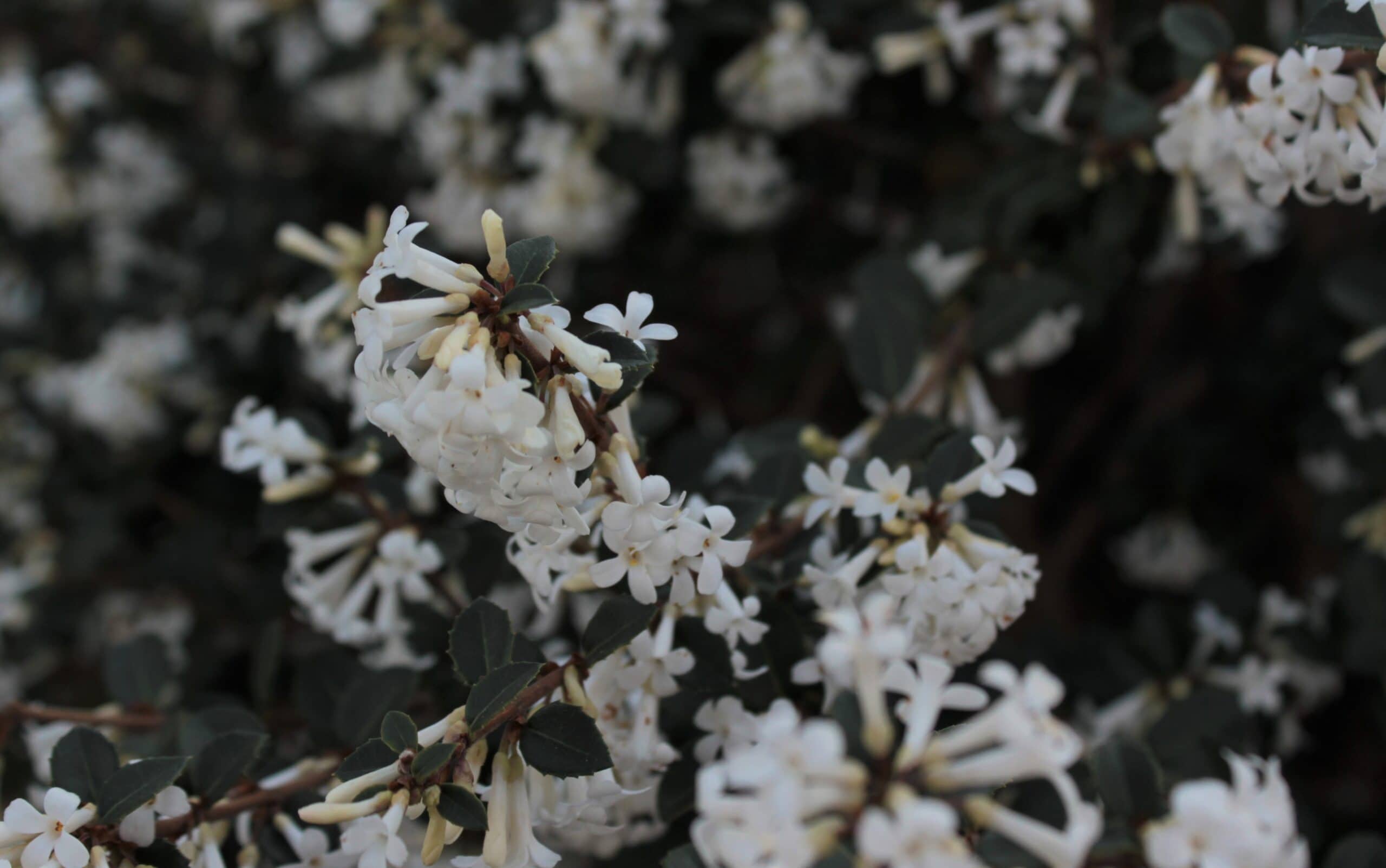
In a successful planting scheme, the choice of colours will be underpinned by structural elements. Incorporating a range of plants with different forms along with a variety of shapes and sizes of leaves and flowers adds layers of interest. Happily, this also supports biodiversity by attracting a wider range of species than schemes with a very limited range of plants. Though variety is important we also aim to balance this with aspects which create continuity and cohesion. This may be achieved by linking the colours, shapes, and forms of plants with features found in the house and surrounding area, or repeating elements to create rhythm in the design.


All these considerations can sound complex. The Cheshire Garden is here to help you understand what you want from your garden and how best to achieve it. Our planting schemes are designed not just for immediate impact, but with a view to clients experiencing the joy of seeing their garden grow and develop sustainably over time. What could be finer than opening your curtains on a Spring morning to a garden that makes your heart sing?
